
Exploring the psychology behind casino gaming behavior
The Allure of Chance
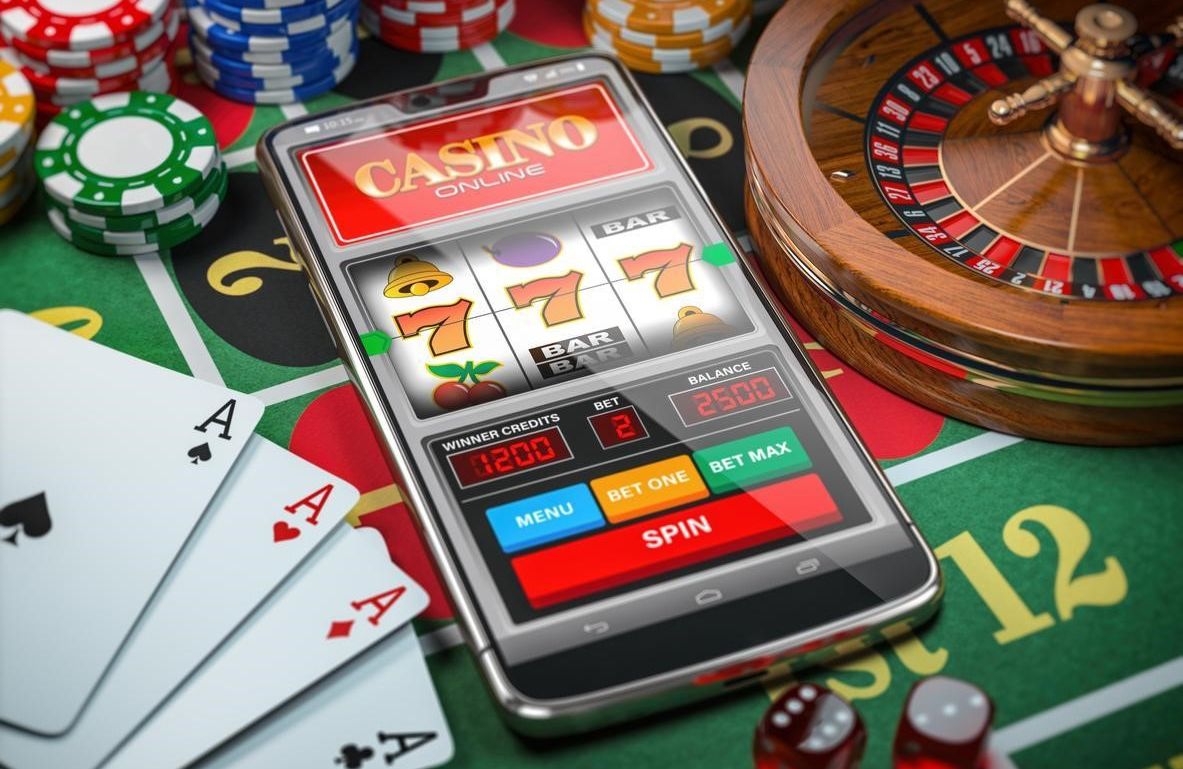
The psychology behind casino gaming behavior is deeply rooted in the human fascination with chance and unpredictability. Many individuals are drawn to casinos by the excitement of potentially winning large sums of money, which creates an adrenaline rush. This thrill of uncertainty is fundamentally appealing, as it plays into the innate human desire for risk and reward. In fact, some individuals may even turn to canadian online casino sites for the same exhilarating experience. Gamblers often find themselves in a state of heightened emotional arousal, which can enhance the overall experience of gaming.

Furthermore, the design of casinos is meticulously crafted to amplify this allure. Bright lights, engaging sounds, and the fast pace of various games create an immersive environment that keeps players captivated. This strategic sensory stimulation can lead to a disconnection from reality, where the prospect of winning overshadows the potential for losses, ultimately influencing gaming behavior.
The Role of Reinforcement
Reinforcement plays a crucial role in shaping casino gaming behavior. Casinos utilize various strategies to reward players, such as free drinks, complimentary meals, and loyalty programs. These incentives are designed to create positive associations with gambling, encouraging individuals to return for more. The psychological principle of variable reinforcement further compounds this effect, as players are motivated by occasional wins amid the losses, creating a compelling cycle of behavior.
The unpredictability of when a win may occur sparks a sense of hope and anticipation among gamblers. This feeling can lead to continued play, as individuals might believe that they are “due” for a win. Cognitive biases, such as the gambler’s fallacy, reinforce this mindset, where individuals mistakenly believe that past outcomes influence future results, further entrenching them in the gaming experience.
Emotional Escape and Social Interaction
For many, casino gaming serves as a form of emotional escape from the stresses of daily life. The immersive nature of gambling allows individuals to temporarily forget their worries, providing a sense of relief. This escape is enhanced by the social aspect of casinos, where individuals can interact with others, share experiences, and participate in a communal activity. The combination of these factors fosters a strong psychological attachment to gaming environments.
However, this escapism can also lead to problematic gaming behavior for some individuals. The desire to escape can escalate into dependency, where the gambling experience becomes a primary coping mechanism for stress or anxiety. As such, understanding the psychology behind this behavior is essential for identifying those who may need support in managing their gaming habits.
Impacts of Marketing and Environment
The marketing strategies employed by casinos significantly influence gaming behavior. Aggressive advertising tactics, such as promoting jackpots and exaggerated winning stories, can create a sense of urgency and desirability around gambling. This marketing approach can alter perceptions and expectations, enticing individuals to engage in gaming with high hopes of victory.
Additionally, the physical environment of a casino plays a pivotal role in the psychology of gaming. The layout of machines, soundscapes, and even the scent of the space can all impact a player’s experience. Studies show that casinos often employ specific designs to encourage longer playtimes and increase the likelihood of financial expenditure, ultimately shaping gambling behavior in profound ways.
Conclusion: Understanding for Better Choices
Understanding the psychology behind casino gaming behavior is crucial for both players and casino operators. By recognizing the emotional, cognitive, and environmental factors at play, individuals can make more informed choices regarding their gaming habits. This understanding can promote healthier gaming practices and prevent the risk of gambling addiction.
Ultimately, a greater awareness of these psychological dynamics can empower players to balance their gaming enthusiasm with mindful decision-making. Recognizing the allure and potential pitfalls of casino gaming will lead to a more responsible approach to gambling, enhancing the overall experience while minimizing the adverse consequences associated with excessive play.